

Osteopathy
Manual therapy that looks for the origin of the symptom and restores mobility to the whole body.
Osteopathy sees the body as a unit: when one structure loses mobility, others compensate, and pain often appears far from the real problem. Osteopathic treatment looks for that cause and restores movement where it has been lost.
Why it hurts where the problem is not
A stiff hip forces the lower back to move more than it should, and the back ends up hurting. An old ankle injury changes the way you walk and months later the opposite knee complains. The osteopathic assessment traces those compensations before deciding where to treat, because treating only where it hurts usually brings short-lived relief.
Structural, visceral and cranial osteopathy
Structural work addresses joints, muscles and fascia. Visceral work addresses organ mobility and its effect on the back, useful in functional digestive discomfort or low back pain that will not respond. Cranial technique uses gentle work on the craniosacral system, with good results in headaches and sustained tension.
What a session is like
It starts with an interview and an examination of overall movement. From there we choose the right techniques and the pace your body accepts: not everyone needs joint manipulation, and in many cases gentle work is more effective. The session ends with movement guidance for home.
Osteopathy and physiotherapy together
We do not treat them as rival disciplines. Osteopathy releases and reorganises; therapeutic exercise consolidates. Combining both is what breaks the cycle of improving after each session and relapsing days later.
Frequently asked questions
What is the difference between osteopathy and physiotherapy?
Are manipulations safe?
How many osteopathy sessions are needed?
Other services
You may also need
 Physiotherapy and rehabilitationPain treatment, recovery of movement and functional rehabilitation after surgery or injury.
 Sports injuriesTreatment and rehabilitation for athletes, from the injury to the return to competition.
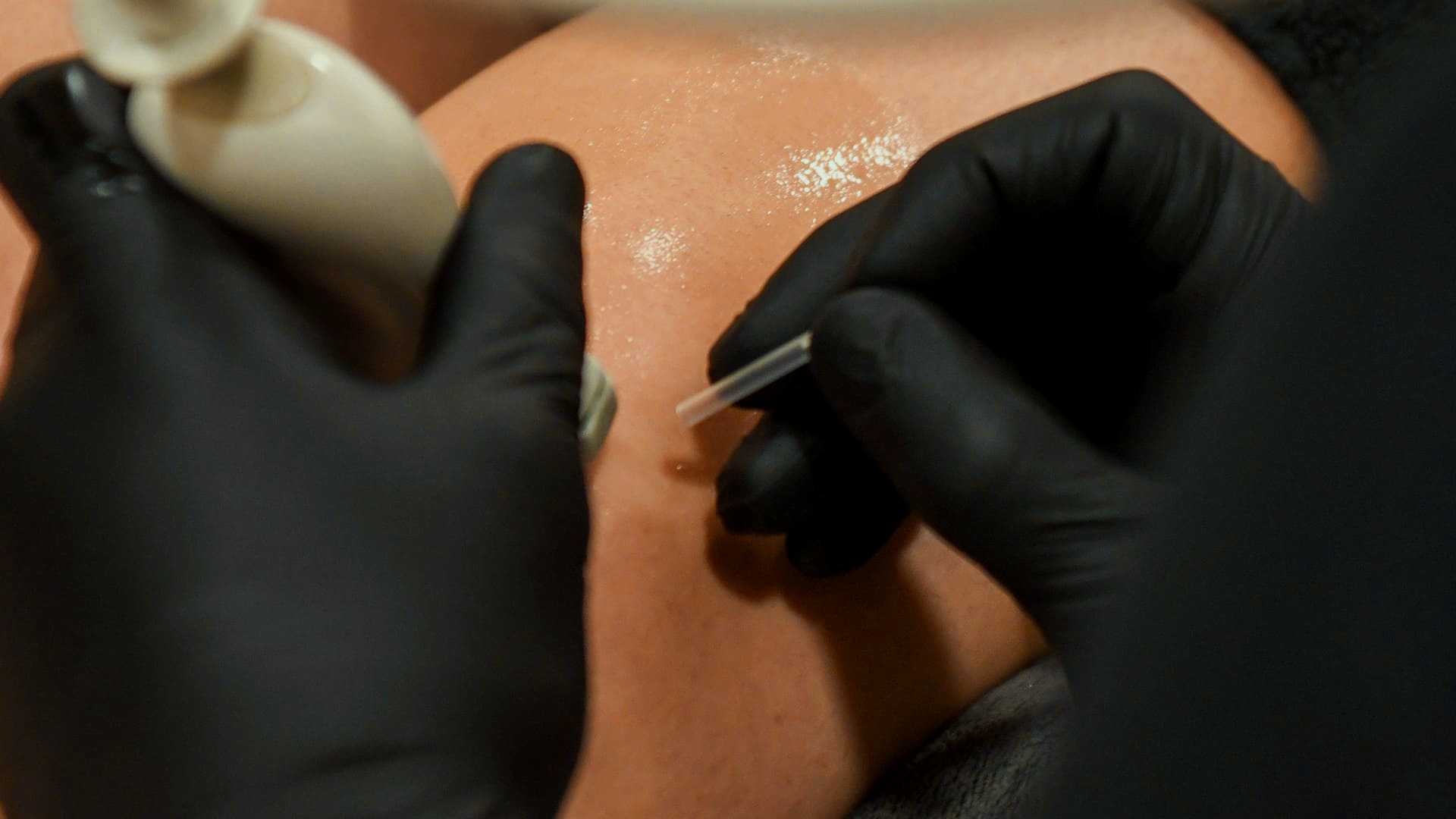 Dry needlingNeedle technique to deactivate trigger points and tight muscles that do not respond to manual therapy.
Your recovery
starts here.
We are here to support you at every step of your wellbeing.